Good enough to work. Good enough to stay.
Get to know Canada’s reliance on migrant care worker programs.
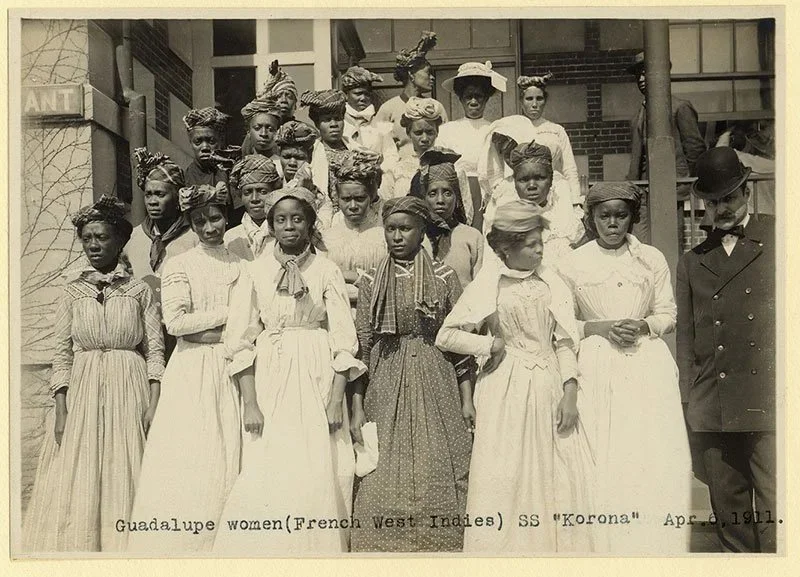
A group of female domestic workers from Guadeloupe (French West Indies), on their way to Quebec aboard SS Korona. They were coming to Canada under the Carribean domestic scheme of 1910. These women were kept overnight at New York’s Ellis Island immigration facility before resuming their journey to Canada, 6 April 1911.
For more information see “Recruiting Domestic Workers and Live-in Caregivers” by Jan Raska.
Photo Credit: National Parks Service, Ellis Island National Monument, “Women from Guadalupe At Ellis Island on April 6th, 1911”
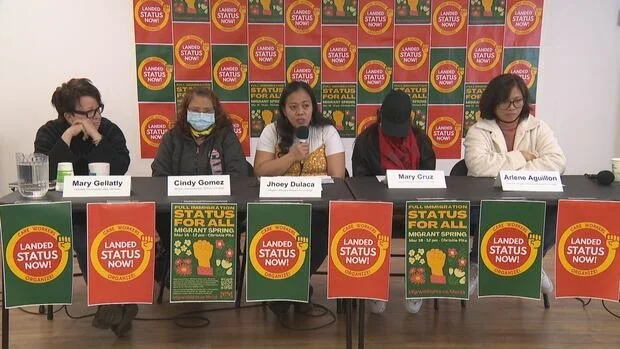
The Migrant Workers Alliance for Change, an advocacy group, organized a panel of speakers on Friday, March 8, 2024 to draw attention to two five-year caregiver pilot programs, the Home Child Care Provider Pilot and Home Support Worker Pilot, that are set to expire on June 17. (CBC)
For more information see “Advocates call on Ottawa to reform rules for thousands of migrant care workers”.
The Migrant Care Worker Precarity Project brings researchers, migrant care worker advocates, labour organizations, and policy experts together to understand and change the conditions facing migrant care workers in Canada.
Since 2022, we have used mixed-methods and participatory action research to work alongside communities, document precarity, and build evidence for change. We turn research into action through policy briefs, reports, workshops, and advocacy with decision-makers.
To date, we have held five meetings with policymakers, produced three policy briefs, and published a 74-page policy report. Our growing partnership brings together AWARE, CDWCR, BCFED, BCSPS, and academic researchers, with SSHRC funding secured through 2030.
We use research to support organizing, inform public policy, and push for better recognition of migrant care workers.
Who We Are
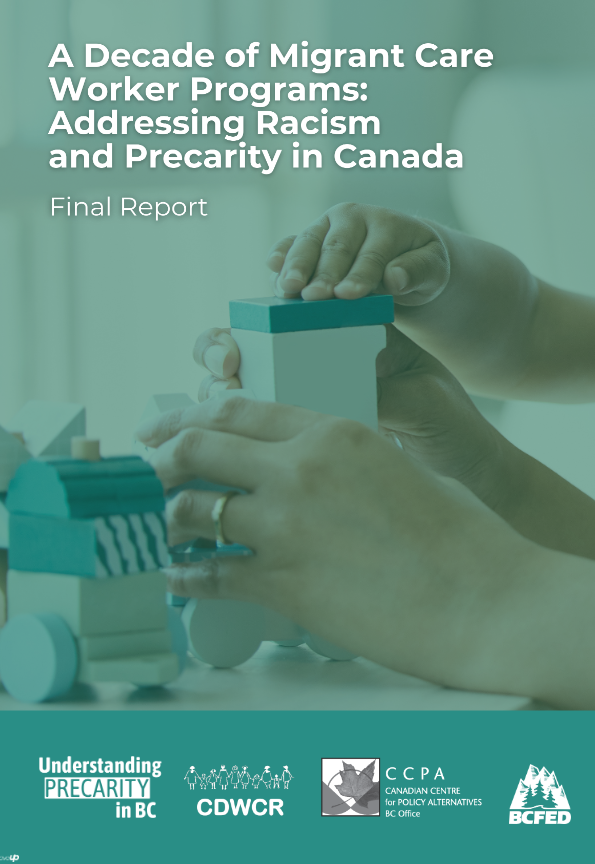
Read our report here to learn more about what the first phase of our research project discovered.
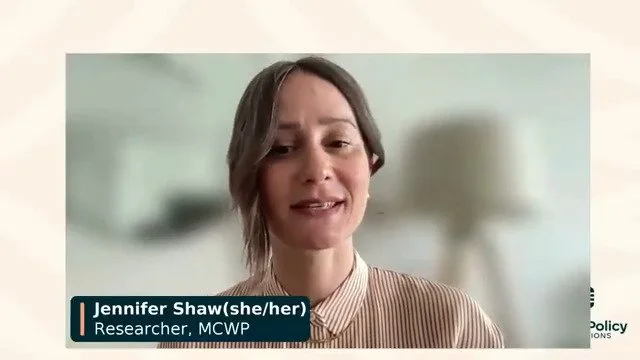
Or, read more of our research (and see us on the news!) here.
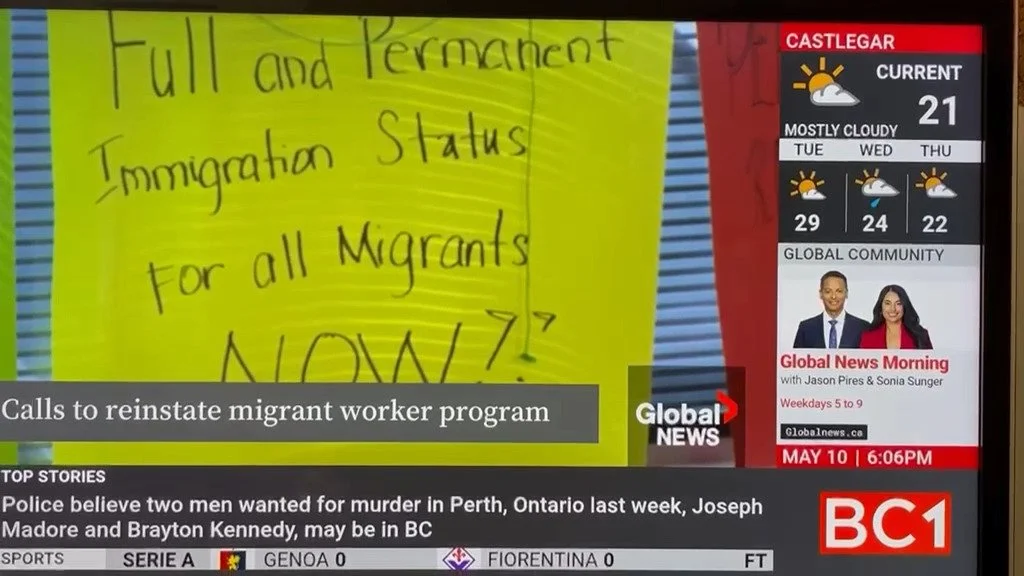
and for updates on what we are doing right now, check out our blog.
Have a Question? an idea? do you do similar work?
We’d love to hear from you.